Subscriptions have become an integral part of modern life. From streaming services like Netflix and Disney+ to productivity tools like Adobe Creative Cloud and fitness apps, everyone seems to be paying for something monthly. But there’s a growing problem: subscription fatigue. Consumers are overwhelmed by the sheer number of services they’ve signed up for - and more importantly, how much they're paying for them. This fatigue has created a unique challenge for app developers and publishers. How can businesses retain subscribers, grow revenue, and ensure their pricing strategies don’t alienate users?
This article analyzes how subscription fatigue is impacting both consumers and app developers, while providing actionable strategies to overcome this challenge. Let’s dive in.
The rise of subscription-based models has transformed industries across the globe. For app developers, subscriptions offer a predictable revenue stream, improved customer loyalty, and opportunities for recurring updates and improvements. For consumers, subscriptions provide convenience, access to premium features, and ongoing value - until they don’t.
According to the video, the average American underestimates their subscription spending by at least $100 a month, with many paying for 12 or more subscriptions totaling $219 monthly, or over $2,500 annually. These numbers highlight the growing disconnect between what consumers think they’re paying and the reality of their financial commitments.
But why has this become such a pervasive issue? The answer lies in three factors:
This "subscription overload" creates dissatisfaction, causing users to cancel services - or worse, avoid subscribing altogether.
For mobile app founders and indie developers, subscription fatigue is a growing concern. While subscription models have fueled revenue growth, they also come with risks:
Apps that fail to address subscription fatigue risk falling behind competitors who offer more transparent pricing or better value. Developers must adapt their strategies to stay competitive while retaining existing users.
To combat subscription fatigue, app developers need to adopt smarter, more user-friendly pricing strategies. Here are actionable steps to help you thrive in this challenging environment:
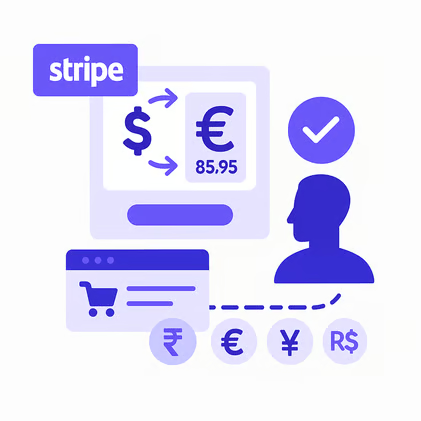
One of the most effective ways to reduce churn and attract new users is by adopting region-specific pricing. Not every country has the same level of disposable income, so charging a flat rate globally can unintentionally alienate users in emerging markets. By using tools like pricing automation and data insights, developers can tailor subscriptions to each region’s purchasing power. This strategy not only boosts conversions but also demonstrates an understanding of global economic disparities.
Subscription fatigue often stems from a lack of flexibility. Consumers may be willing to pay for premium features but balk at all-or-nothing pricing. Introducing tiered plans allows users to choose the level of service that matches their needs and budget. For example:
Tiered plans give users the control they desire and reduce sticker shock.
Many subscriptions fail because users don’t feel they’re getting enough value for their money. Developers must clearly communicate:
Consider including usage stats or personalized insights (e.g., "You’ve completed 20 workouts this month!") to remind users of the value they’re receiving.
To counteract rising subscription prices, developers can reward long-term users with discounts or "grandfathered" pricing. For instance:
Such initiatives create goodwill and encourage users to stick with your service despite external competition.
Nothing frustrates users more than feeling trapped in a service they no longer want. Offering easy cancellation or pause options builds trust and reduces frustration. While this may seem counterintuitive, demonstrating respect for the consumer’s autonomy can boost retention in the long run.
One of the primary reasons consumers experience subscription fatigue is that they lose track of what they’re paying for. Developers can address this by:
Transparency is key. When users feel in control, they’re less likely to cancel.
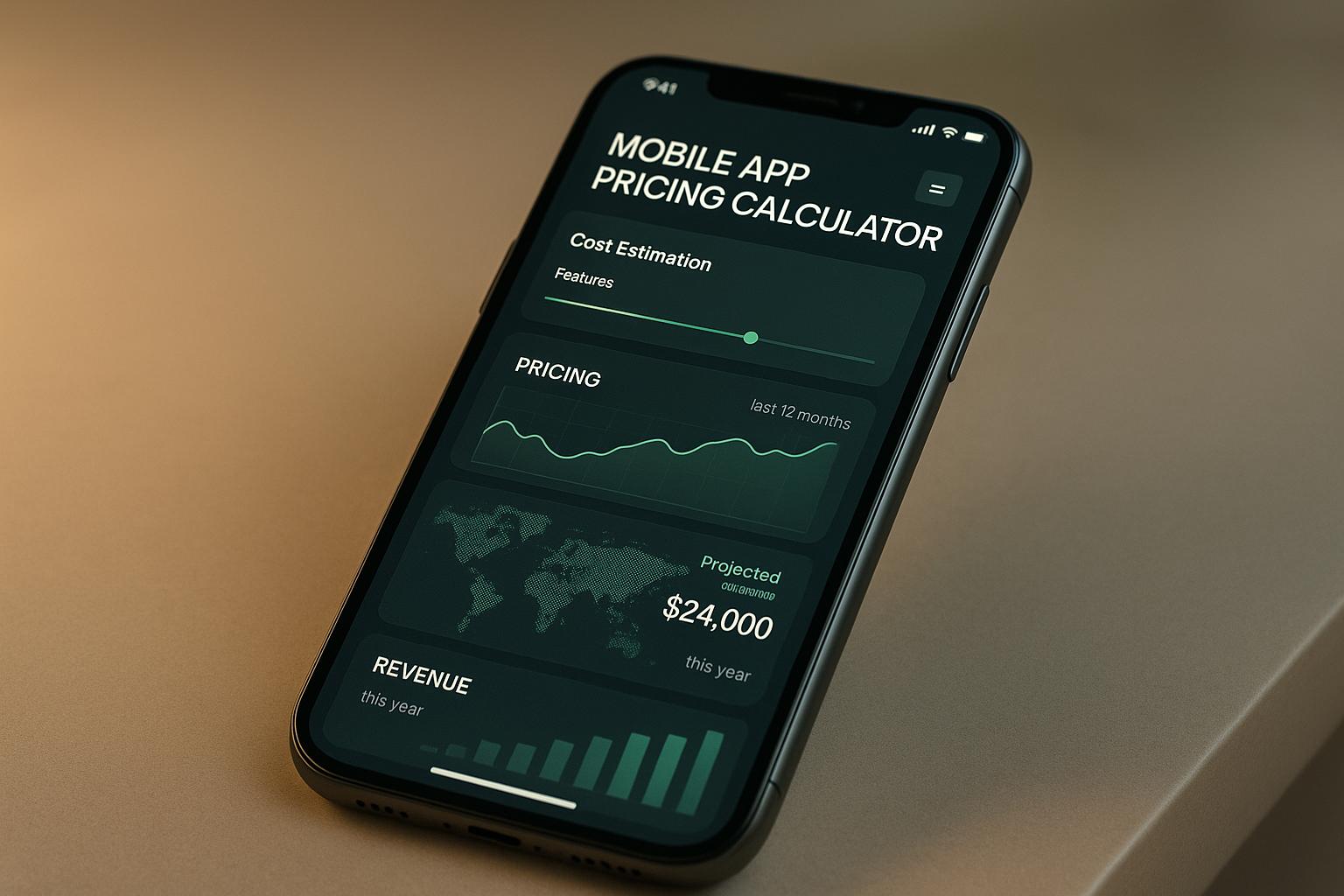
Scaling globally while managing multiple regional pricing tiers can be a logistical nightmare. This is where automation tools and data-driven insights come into play. Developers can use platforms that analyze market trends, customer behavior, and competitive benchmarks to determine optimal pricing strategies. By automating these processes, developers save time, ensure compliance, and maximize revenue without manual guesswork.
Additionally, predictive analytics can help identify at-risk users (those likely to cancel) and proactively address their concerns through personalized offers or incentives. Such interventions can significantly reduce churn and build long-term loyalty.
By implementing these strategies, app developers can not only combat subscription fatigue but also create sustainable growth and long-lasting customer relationships.
As the subscription economy continues to expand, so does the risk of alienating consumers through overwhelming fees and rigid pricing models. For app makers, the solution lies in adapting to user needs with flexibility, transparency, and smarter pricing strategies. By leveraging automation, offering tailored plans, and prioritizing user satisfaction, developers can turn subscription fatigue into an opportunity for innovation and growth.
The subscription landscape may be crowded, but with the right approach, your app can stand out - and thrive - in this competitive environment. Remember, pricing isn’t just about numbers; it’s about creating value and trust in the eyes of your users.
Source: "Subscription Fatigue Is Bleeding Americans Dry" - Snyder Reports, YouTube, Dec 16, 2025 - https://www.youtube.com/watch?v=pc4MgspmiUs