In today’s globally connected app economy, pricing products effectively in different regions is crucial for maximizing revenue and increasing conversions. For mobile app founders, indie developers, and monetization managers, one of the most powerful strategies for pricing smarter across countries involves using Purchasing Power Parity (PPP). In this article, we’ll break down the concept of PPP, its relevance in pricing strategies, and how leveraging it can transform your app’s monetization model, particularly in emerging markets.
Purchasing Power Parity is an economic tool that compares the relative value of currencies by analyzing the price of a standardized basket of goods in different countries. Unlike exchange rates - which often fluctuate due to market speculation, trade policies, or macroeconomic events - PPP provides a more accurate measure of a currency’s "true value" based on what it can actually buy in a given region.
For example:
In essence, PPP captures the real purchasing power of money in different countries, factoring in local living standards, affordability, and inflation.
When pricing in global markets, many app developers and publishers default to converting prices using nominal exchange rates. This approach, while straightforward, can result in missed opportunities and revenue losses:
By integrating PPP into your pricing logic, you can make your product more accessible in markets with lower purchasing power while capturing higher value in regions where people can afford more.
Understanding PPP starts with grasping the two main types:
Absolute PPP compares the price of identical goods across countries to determine the exchange rate needed for prices to equalize. This is the foundation of commonly used metrics like the Big Mac Index.
Example:
For apps, the same logic can be applied: If a subscription costs $10 in the US, it should cost ₹287 in India when accounting for PPP, rather than using the market exchange rate (₹900).
Relative PPP focuses on inflation differences between two regions over time. If inflation in India is 5% annually while the US inflation rate is 2%, the PPP exchange rate may shift to reflect this 3% difference.
For developers, this means pricing adjustments may be necessary over time to maintain competitiveness and affordability in regions experiencing higher inflation.
Now that we understand the concept, let’s explore how app developers can use PPP to optimize pricing strategies for subscriptions and in-app purchases:
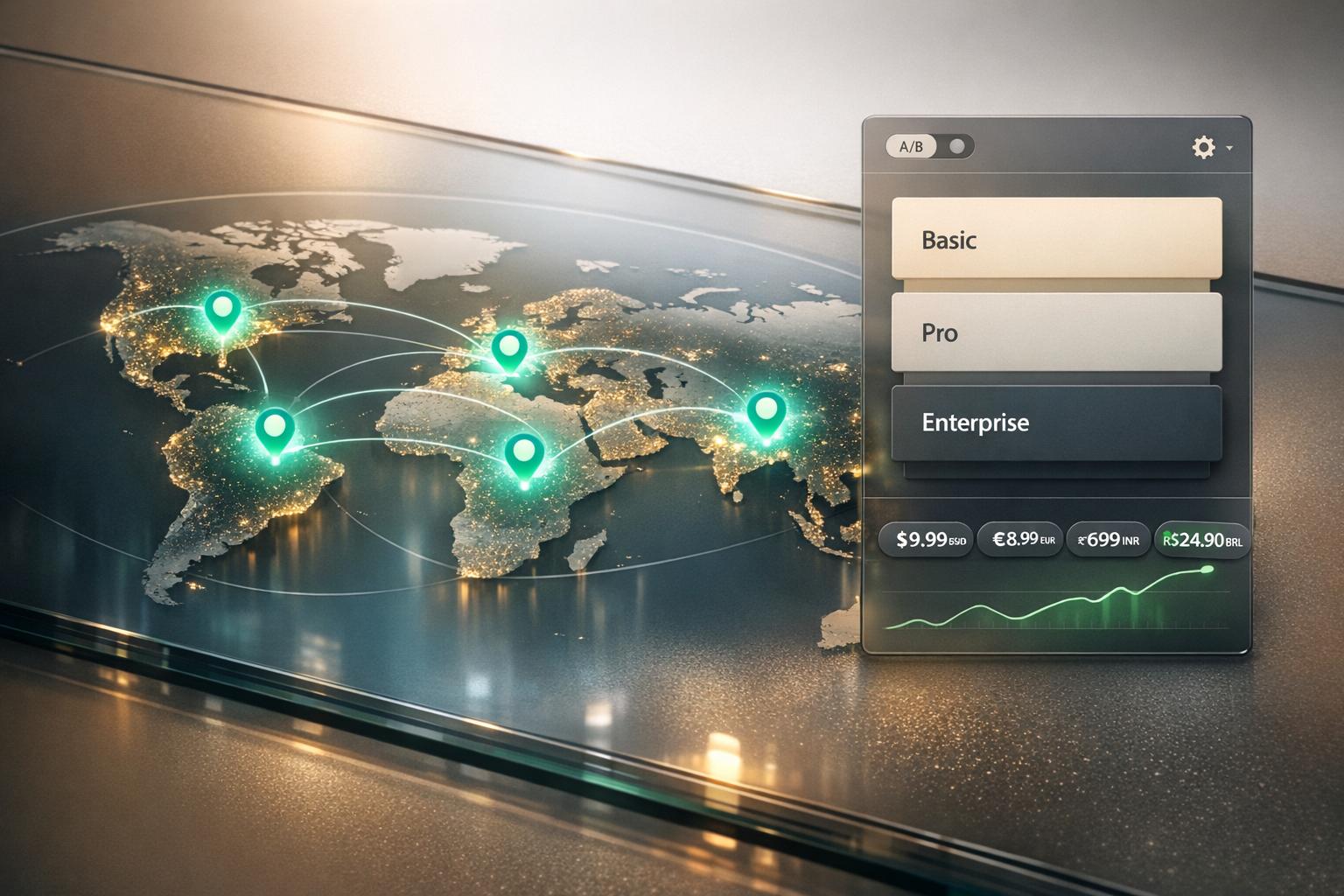
Apps with global user bases can benefit from customizing prices for each market using PPP data. Tools like Apple’s App Store Connect or Google Play Console allow developers to set unique prices in local currencies, ensuring affordability without sacrificing revenue.
Example:
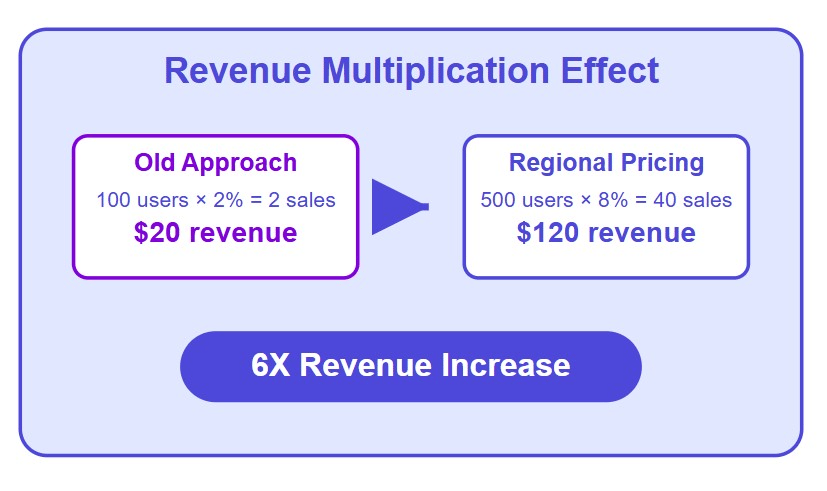
Emerging economies often have significant user bases, but high prices deter users from subscribing or making in-app purchases. By adjusting prices to reflect local affordability, you can tap into these markets and dramatically increase conversion rates.
Impact:
In wealthy regions like the US or Western Europe, users are accustomed to higher prices for digital services. Using PPP, you can ensure your app is competitively priced while maximizing revenue potential in these markets.
PPP also helps anticipate shifts in local pricing due to inflation. By monitoring inflation rates in key regions, developers can proactively adjust app prices, maintaining parity and profitability as market conditions evolve.
While PPP is a powerful tool, it does have limitations:
Want to get started with PPP-based pricing for your app? Follow these steps:
In a global app economy, pricing isn’t just about profit - it’s about accessibility, fairness, and growth. By leveraging the principles of Purchasing Power Parity, mobile app developers can unlock new revenue streams, penetrate underserved markets, and ensure their pricing aligns with user expectations worldwide.
With the right tools and a data-driven mindset, you can transform your app monetization strategy from a flat, one-size-fits-all approach to a dynamic, regionally optimized model. Start exploring PPP-based pricing today, and watch your app’s global revenue potential soar.
Source: "Purchasing Power Parity Made Easy: Why Currencies Rise & Fall | Economics Optional | Hrishabh Singh" - UPSC Optionals StudyIQ, YouTube, Dec 12, 2025 - https://www.youtube.com/watch?v=pD9WlteeW-0